


Table of contents
- Introduction to the ABS control unit
- Function of the ABS control unit
- Symptoms of a defective ABS control unit
- Causes of defects in the ABS control unit
- Diagnosis of a defective ABS control unit
- Reparatur vs. Austausch: Vor- und Nachteile
- Cost of an ABS control unit repair
- DIY-Reparatur: Chancen und Risiken
- Choosing the right workshop
- Preventive measures to extend lifespan
- Conclusion
- Frequently Asked Questions
1. Einführung in das ABS-Steuergerät
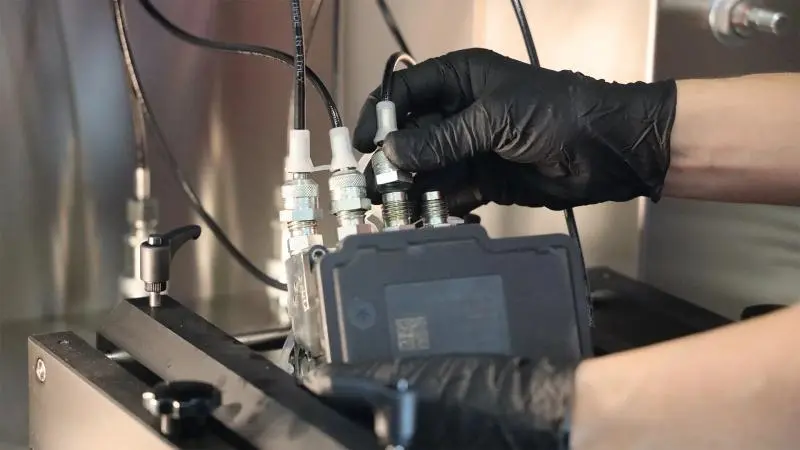
Seit den 1970er Jahren gehört das Antiblockiersystem (ABS) zur Standardausstattung vieler Fahrzeuge. Es wurde entwickelt, um das Blockieren der Räder bei starkem Bremsen zu verhindern, sodass der Fahrer auch in Notsituationen die Kontrolle über das Fahrzeug behält. Das ABS-Steuergerät ist das Gehirn dieses Systems. Es verarbeitet die Daten der Sensoren und steuert die Bremsvorgänge entsprechend.
2. Funktion des ABS-Steuergeräts
Das ABS-Steuergerät überwacht kontinuierlich die Drehzahl jedes einzelnen Rades. Erkennt es eine drohende Blockierung, reduziert es den Bremsdruck durch gezielte Steuerung von Ventilen. Diese Regulierung erfolgt in Sekundenbruchteilen und gewährleistet:
- Maintaining steering capability: The driver can avoid obstacles.
- Reduction of braking distance: Especially on smooth or slippery roads.
Modern ABS control units are often networked with additional systems such as the Electronic Stability Program (ESP) and the Traction Control System (ASR).
3. Symptome eines defekten ABS-Steuergeräts
A defective ABS control unit can be identified by the following symptoms:
- ABS warning light permanently illuminated: This is often the first sign of a defect.
- Changed braking behavior: Longer braking distances or locking wheels during hard braking.
- Malfunctions of other systems: Das ABS ist häufig mit ESP oder ASR gekoppelt. Probleme in einem dieser Systeme können auf das Steuergerät zurückzuführen sein.
4. Ursachen für Defekte am ABS-Steuergerät
The most common causes of a defect in the ABS control unit are:
- Vibrations: Vibrations can damage solder joints and internal connections.
- Moisture: Ingress of moisture leads to corrosion and short circuits.
- Electronic defects: Overheating or aging of components impairs the function.
5. Diagnose eines defekten ABS-Steuergeräts
Eine präzise Diagnose erfordert den Einsatz eines Diagnosegeräts in einer Fachwerkstatt. Dabei werden folgende Schritte durchgeführt:
Read out fault memory: The control unit stores error codes that provide clues to the cause.
Sensor check: Faulty sensors can cause similar symptoms to a faulty control unit.
Functional test: The control unit is checked for correct function using test software.
6. Reparatur vs. Austausch: Vor- und Nachteile
Repair
Advantages:
- More cost-effective than a replacement.
- Sustainable, as the existing control unit is reused.
Disadvantages:
- The success rate depends on the expertise of the workshop.
- Not all defects are repairable.
Exchange
Advantages:
- Guaranteed functionality through new or refurbished parts.
- Quick solution for serious defects.
Disadvantages:
- Higher costs.
- Refurbished parts are not always available.
7. Kosten einer ABS-Steuergerät-Reparatur
Repair costs vary depending on the vehicle model and the damage:
- Repair: 200–300 Euro.
- Exchange: 600–1.200 Euro.
The choice between repair and replacement should be made depending on the age and value of the vehicle.
8. DIY-Reparatur: Chancen und Risiken
Einige erfahrene Hobbyschrauber versuchen, ihr ABS-Steuergerät selbst zu reparieren. Dies erfordert jedoch:
- Electronics knowledge: For soldering and identifying defective components.
- Special tool: For precise work.
Risks:
- Improper repair can worsen the damage.
- Warranty claims may be voided.
9. Auswahl der richtigen Werkstatt
The following criteria should be considered when choosing a repair shop:
- Specialization: The workshop should have experience with ABS repairs.
- Guarantee: A repair guarantee increases security.
- Customer reviews: Customer reviews provide information about the quality of the work.
10. Präventive Maßnahmen zur Verlängerung der Lebensdauer
To prevent defects, vehicle owners should take the following measures:
- Regular inspection: Early detection of wear.
- Protection from moisture: Check seals and ensure dry storage.
- Gentle driving style: Reduction of vibrations and stresses.
Conclusion
Ein defektes ABS-Steuergerät ist kein Grund zur Panik. Mit der richtigen Diagnose und Reparatur kann die Funktion des Systems wiederhergestellt werden. Fahrzeugbesitzer sollten bei Problemen frühzeitig handeln und die Reparatur einem Fachmann überlassen, um die Sicherheit im Straßenverkehr zu gewährleisten.
Frequently Asked Questions (FAQs)
How can I identify a defect in the ABS control unit?
Due to the illuminated ABS warning light and altered braking behavior.
Is a repair cheaper than a replacement?
Generally yes, but it depends on the damage.
Can I repair the ABS control unit myself?
Only with sufficient knowledge, otherwise further damage may occur.
How long does a repair take?
Usually 1-3 working days, depending on the workshop.
How can I prevent defects?
Through regular maintenance and protection from moisture.

